How Traditional Indian Food Wisdom Understood Gut Health Before Modern Science
Fermented foods, digestive spices, rose petal preserves, amla, and raw honey were not random choices in traditional Indian diets. They were a functional system for maintaining gut health that modern microbiome research is now explaining in biochemical terms.

The gut microbiome - the community of trillions of bacteria, fungi, and other microorganisms living in the digestive tract - was identified as a distinct field of scientific study only in the early 2000s. The idea that gut bacteria influence immunity, mood, metabolism, and chronic disease risk has become one of the most significant areas of medical research in the last two decades.
Traditional Indian food systems identified and worked with this system thousands of years before the science existed to explain it. Not with the vocabulary of microbiomes and probiotics, but with the practical knowledge that fermented foods aided digestion, that certain plants supported gut motility, that some preparations cooled and soothed the gut while others stimulated it. The foods that accumulated around these observations form a remarkably coherent gut health system when viewed through a modern lens.
Fermentation: The Original Probiotic Strategy
Fermented foods are central to traditional Indian diets across every region. Idli and dosa batters fermented overnight. Kanji - fermented rice or beetroot water - drunk in North India. Pickles lacto-fermented in mustard oil and salt. Chaas (buttermilk) consumed after meals. Curd served at every major meal.
Each of these preparations involves microbial activity that produces lactic acid, increases bioavailability of nutrients, and introduces beneficial bacteria to the gut. This was not understood biochemically by the people who developed these traditions, but the outcome - a diet rich in diverse fermented foods consumed daily - is exactly what modern microbiome research identifies as optimal for gut bacterial diversity.
Gulkand: The Rose Petal Gut Tonic
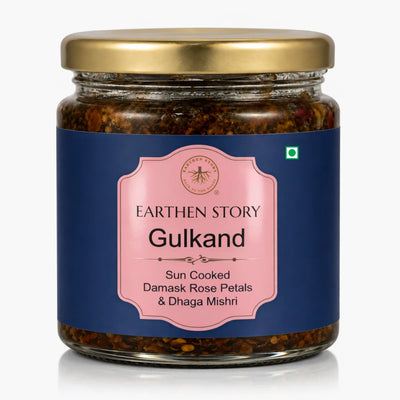
Gulkand - a preserve made from fresh rose petals and sugar or honey, slow-matured in sunlight - occupies a specific place in traditional Indian medicine. It is described in Ayurvedic texts as cooling, digestive, and beneficial for pitta-related conditions, which in modern terms maps to inflammation, acidity, and heat-related gut irritation.
The active compounds in rose petals - particularly polyphenols, flavonoids, and tannins - have documented anti-inflammatory and prebiotic properties. Prebiotics are compounds that feed specific beneficial gut bacteria rather than introducing new ones. Organic rose petal gulkand consumed in small quantities - a teaspoon after meals - is a practical daily gut tonic that works within the traditional system and has biochemical plausibility behind it.
Our gulkand shrikhand combines gulkand with hung curd - a preparation that delivers both prebiotic polyphenols from the rose petals and probiotic benefit from the fermented dairy simultaneously.
Amla: The Vitamin C and Gut Health Connection
Amla (Indian gooseberry) has been used in Ayurvedic medicine for millennia as a rasayana - a rejuvenating tonic that supports long-term vitality. Its vitamin C content - among the highest of any fruit, and unusually heat-stable compared to vitamin C in most foods - is well-documented. Less widely known is its gut health dimension.
Amla contains tannins and polyphenols that act as both antimicrobial agents against harmful gut bacteria and as prebiotics that feed beneficial strains. It also reduces inflammation in the gut lining and has been shown to reduce symptoms of gastric hyperacidity. Organic amla candy is a practical daily format - two or three pieces after meals delivers the gut benefits of amla in a form that most people find genuinely pleasant to consume consistently.
Raw Honey: Prebiotic and Antimicrobial Together
Raw honey occupies an unusual position in gut health - it is simultaneously antimicrobial (inhibiting harmful bacteria through hydrogen peroxide, low pH, and osmotic pressure) and prebiotic (its oligosaccharides selectively feed beneficial Bifidobacterium and Lactobacillus strains). This combination - harmful bacteria suppressed, beneficial bacteria fed - is functionally distinct from both antibiotics and standard probiotics.
The key is that these properties are present in raw, unpasteurised honey and substantially reduced in heated, filtered commercial honey. Wild forest honey that has not been heated above body temperature retains its full enzyme activity, its hydrogen peroxide-generating compounds, and its prebiotic oligosaccharides. A teaspoon in warm (not boiling) water in the morning is the traditional format - and the one that preserves the active compounds.
For a deeper understanding of why processed honey is a fundamentally different product, see our article on raw honey vs processed honey.
Digestive Spices: The Supporting System
Traditional Indian cooking is built around a spice system that is, among other things, a digestive support system. Cumin aids enzyme activity. Asafoetida (hing) reduces gas and bloating. Turmeric reduces gut inflammation. Ginger stimulates digestive secretions. Fenugreek seeds support gut motility. These were not added to food for flavour alone - they were added because generations of observation established that they made food easier to digest and the body more comfortable after eating.
Modern research on each of these spices has found biochemical explanations for most of these traditional uses. The value is not in any single spice but in the cumulative effect of a cooking system that consistently incorporates digestive support at every meal.
Rebuilding the System Practically
The most practical approach is to reintroduce traditional gut health foods one at a time, attaching them to existing meal moments. A teaspoon of gulkand after lunch. Two pieces of amla candy after dinner. A teaspoon of raw honey in morning warm water. Curd or chaas with the main meal.
These are not dramatic changes. They are small daily additions that, sustained over weeks and months, rebuild the gut health infrastructure that traditional diets maintained as a matter of course. For the broader science of how gut health connects to mood, focus, and mental wellbeing, see our article on the gut-brain axis.
Looking for ways to put these ingredients to use? Browse our full recipe collection for ideas that make real food genuinely easy to cook.
For more ingredient guides, food system insights, and traditional food knowledge, explore the full Earthen Story Discover library.