A Complete Guide to Cooking Oils for the Indian Kitchen
Ghee, mustard oil, groundnut oil, sesame oil, coconut oil, sunflower oil - every Indian kitchen uses several. Each has a different fat profile, smoke point, and ideal use. Here is how to choose and use each one correctly.

The Indian kitchen has always been multi-oil. Different regions, different dishes, different oils - mustard in Bengal and Bihar, groundnut in Maharashtra and Gujarat, coconut in Kerala and Karnataka, sesame across Rajasthan and Tamil Nadu. This regional diversity was not arbitrary. Each oil suited the local cuisine, the local crops, and the local understanding of how fat behaves in cooking.
Modern supply chains collapsed this diversity into a handful of refined, neutral oils that taste the same regardless of what you cook. Getting it back means understanding what each oil actually offers - its fat profile, its smoke point, its flavour, and where it genuinely belongs in the kitchen.
The Complete Guide: Six Oils for the Indian Kitchen
| Oil | Fat Profile | Smoke Point | Best For | Avoid For |
|---|---|---|---|---|
| A2 Bilona Ghee | Saturated, short and medium chain fatty acids, butyric acid | High - 250 degrees C | High-heat cooking, tadkas, rotis, rice, daily use | Raw applications where flavour would overpower |
| Yellow Mustard Oil | High MUFA, omega-3, erucic acid | Medium-high - 160 to 180 degrees C | Tadkas, pickles, Bengali and Punjabi cooking, marinades | Baking, desserts where mustard flavour is not wanted |
| Cold-Pressed Groundnut Oil | High MUFA, balanced PUFA, vitamin E | Medium - 160 degrees C | Everyday cooking, sabzis, dal tadka, frying at moderate heat | Very high heat sustained frying |
| Cold-Pressed Sesame Oil | Balanced MUFA and PUFA, sesamol, lignans | Medium - 175 degrees C | South Indian cooking, finishing oil over dal and rice, dressings | Dishes where a neutral flavour is needed |
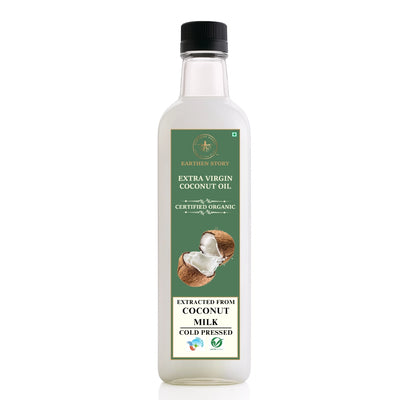
| Extra Virgin Coconut Oil | High saturated - MCTs, lauric acid | Medium - 175 degrees C | Kerala and coastal cooking, baking, low-medium heat cooking | North Indian dishes where coconut flavour is wrong |
| Cold-Pressed Sunflower Oil | High PUFA, linoleic acid, vitamin E | Medium - 160 degrees C | Light cooking, salad dressings, dishes needing neutral flavour | High-heat cooking - PUFA-heavy oils oxidise faster at high temperatures |
Ghee: The Anchor Fat of the Indian Kitchen
Ghee is not just an oil - it is the original Indian cooking fat, and for good reason. With a smoke point of around 250 degrees Celsius, A2 Gir cow bilona ghee handles high-heat cooking better than almost any other fat. Its short-chain fatty acids, particularly butyric acid, support gut health in ways that refined cooking oils do not. And its fat-soluble vitamins - A, D, E, and K - survive moderate cooking temperatures intact.
The key distinction is process. Bilona ghee made from A2 milk via the traditional curd-churning method has a meaningfully different nutritional profile from cream-based ghee. We cover this in detail in our article on why ghee has been called a superfood traditionally. For everyday cooking, ghee deserves to be the primary fat in most Indian kitchens - not a garnish.
Mustard Oil: Misunderstood and Irreplaceable
Mustard oil carries a historical stigma in some markets due to concerns about erucic acid - a fatty acid present in high concentrations in mustard oil that was flagged in older research. More recent and comprehensive research has not established meaningful harm from dietary erucic acid at normal consumption levels, and mustard oil remains the dominant cooking fat across Bengal, Bihar, Odisha, and Punjab for good reason.
Its omega-3 content is higher than most vegetable oils. Its pungency - which comes from allyl isothiocyanate - has genuine antimicrobial properties. And its flavour is irreplaceable in certain dishes: a Bengali mustard fish without cold-pressed yellow mustard oil is not the same dish. Use it for tadkas, pickles, marinades, and any cooking where the assertive flavour is a feature rather than a liability.
Groundnut Oil: The Workhorse
Cold-pressed groundnut oil is the most versatile everyday cooking oil for most Indian kitchens. Its fat profile - roughly 50% monounsaturated, 30% polyunsaturated - is well-balanced. Its flavour is mild enough not to dominate, present enough to add character. And its smoke point is adequate for the temperature range of most Indian home cooking.
Cold-pressed peanut oil made from organically farmed groundnuts also carries natural vitamin E and plant sterols that contribute to cardiovascular health. The groundnut oil for cooking health benefits that researchers document come primarily from unrefined versions - not from the refined, bleached commercial groundnut oil that most households use.
Sesame Oil: The Finishing Oil
Sesame oil - til oil or gingelly oil - occupies a specific and valuable role in South Indian cooking and in traditional Ayurvedic practice. Its unique compounds - sesamol, sesamin, and sesamolin - are potent antioxidants that give the oil unusual stability despite its polyunsaturated fat content.
Use cold-pressed sesame oil as a finishing oil - a drizzle over cooked dal, rice, or vegetables just before serving rather than as a primary cooking fat. In this role its flavour is most expressive and its heat-sensitive nutrients are most preserved. It is also excellent in dressings and cold preparations.
Coconut Oil: Best for Coastal Cooking and Baking
Extra virgin coconut oil is high in saturated fat - a fact that generated controversy for decades but is now understood more nuanced. Its saturated fats are primarily medium-chain triglycerides (MCTs), particularly lauric acid, which the body metabolises differently from long-chain saturated fats found in animal products.
Cold-pressed extra virgin coconut oil is ideal for Kerala-style curries, coconut-based chutneys, and low-to-medium heat cooking where coconut flavour belongs. It is also excellent for baking. Outside of coconut-cuisine contexts, its strong flavour can be intrusive - which is why it works better as a specific-use oil rather than a universal cooking fat.
Sunflower Oil: The Neutral Option
Cold-pressed sunflower oil is the lightest and most neutral of the group - useful when you genuinely need a flavour-neutral fat for a particular dish or baking application. Its high polyunsaturated fat content means it is the most heat-sensitive of the six, which is worth bearing in mind. Reserve it for low-to-medium heat cooking and dressings rather than high-heat applications.
The practical approach for most kitchens is not to choose one oil but to keep three on hand: ghee as the primary cooking fat, one region-appropriate flavour oil (mustard, sesame, or coconut based on your cuisine), and cold-pressed groundnut oil as the everyday workhorse. This covers the full range of what Indian cooking actually needs without overcrowding the shelf.
Looking for ways to put these ingredients to use? Browse our full recipe collection for ideas that make real food genuinely easy to cook.
For more ingredient guides, food system insights, and traditional food knowledge, explore the full Earthen Story Discover library.