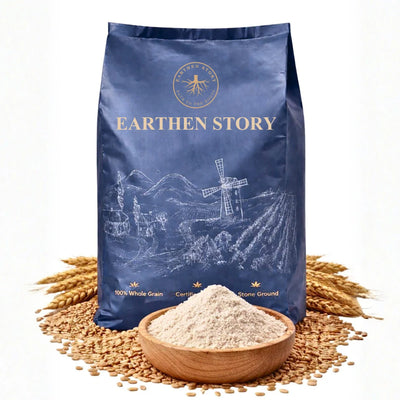
Khapli wheat atta - also known as emmer wheat - is one of the oldest grain varieties still grown in India, and its low gluten content and lower glycaemic index make it particularly well-suited for baking that does not want to behave like modern wheat. The difference between ancient and modern wheat goes deeper than marketing - the starch structure, the gluten proteins, and the micronutrient profile are genuinely different. Banana bread is the ideal vehicle: the high moisture from ripe bananas compensates for the slightly denser texture of khapli flour, and the result is a loaf that is deeply banana-flavoured, naturally sweet, and noticeably lighter on the digestive system than a maida or modern wheat version. For a more indulgent khapli bake, the Khapli Chocolate Brownies prove the same ancient grain works just as well in a fudgy format.
Ingredients
- 1½ cups Earthen Story Khapli Wheat Atta Shop ↗
- 3 very ripe bananas, mashed (approximately 1¼ cups)
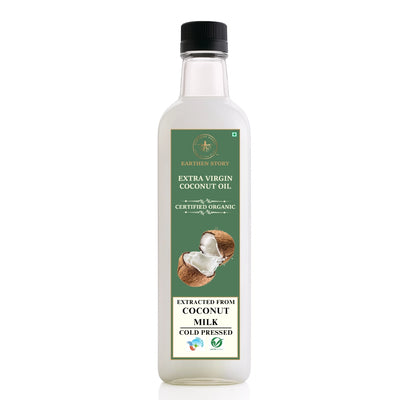
- 3 tbsp Earthen Story Extra Virgin Coconut Oil, melted Shop ↗
- 2 eggs
- 3 tbsp jaggery powder
- 1 tsp baking soda
- ½ tsp cinnamon powder
- ¼ tsp salt
- ½ tsp vanilla extract
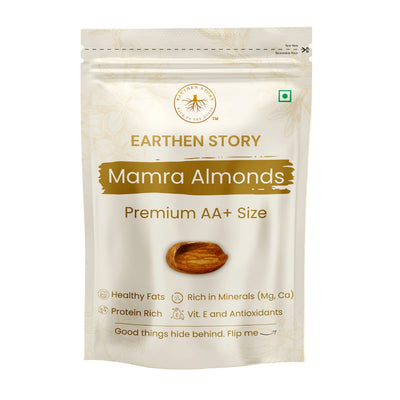
- ¼ cup chopped walnuts or mamra almonds - optional
Steps
- Preheat oven to 175°C. Grease a standard loaf tin (23x13 cm) with coconut oil and line the base with parchment.
- In a large bowl, mash bananas until very smooth. Whisk in eggs, melted coconut oil, jaggery powder, and vanilla.
- In a separate bowl, whisk together khapli atta, baking soda, cinnamon, and salt.
- Fold the dry ingredients into the wet until just combined - do not overmix. A few streaks of flour are acceptable; they will incorporate during the rest.
- Fold in chopped nuts if using. Let the batter rest for 5 minutes - khapli atta benefits from a short hydration rest before baking.
- Pour into the prepared tin and smooth the top. Bake for 50 - 55 minutes until a toothpick inserted into the centre comes out clean and the top is deeply golden and cracked down the centre.
- Cool in the tin for 10 minutes, then turn out onto a wire rack. Do not slice until fully cool - the crumb needs time to set. Store wrapped at room temperature for 3 days or refrigerate for up to 1 week.
Key Benefits
- Khapli atta for lower glycaemic impact in baking Emmer wheat has a lower gluten content and a different starch structure than modern wheat varieties, resulting in a slower glucose release after eating. For a baked sweet, this is a meaningful difference - the banana bread satisfies without the blood sugar spike of a maida-based version. Refined flour baking is one of the most significant hidden sources of high-glycaemic carbohydrates in the modern Indian diet - switching to khapli wheat flour is one of the simplest ways to change that.
- Ripe bananas as primary sweetener The natural fructose-glucose in very ripe bananas is accompanied by fibre, potassium, and B6 - nutrients entirely absent from refined sugar. Using bananas and minimal jaggery keeps the glycaemic load considerably lower than standard banana bread recipes. Adding a handful of mamra almonds to the batter introduces protein and healthy fat that further moderate the glucose response from the bread.
- Cold-pressed coconut oil for moist texture without dairy Extra virgin cold-pressed coconut oil provides the fat content that keeps this bread moist for days. Its solid fat structure melts into the batter during mixing and re-solidifies slightly during cooling, contributing to the dense, tender crumb that makes banana bread worth eating. Ancient grains paired with traditional whole-food fats represent the cooking logic that Indian kitchens are now rediscovering - this loaf is a simple example of that principle in a modern baking format.
Explore more recipes like this on our Recipes page, or read our ingredient guides and food knowledge articles in the Discover section.