Traditional tabbouleh is made with fine bulgur wheat - but organic quinoa is, in most ways, a better grain for this salad. It is lighter, has more protein, is gluten-free, and its slightly chewy texture absorbs the lemon dressing better than bulgur without going mushy. The principle of the dish is simple and correct: far more herb than grain, and enough lemon to brighten everything. This version uses what is available in an Indian kitchen and loses nothing in translation. Quinoa belongs to the same family of ancient, nutritionally complete grains that traditional Indian diets understood long before global food trends caught up. If you enjoy global grain salads, the Quinoa Vegetable Pulao is the same grain in a purely Indian format.
Ingredients
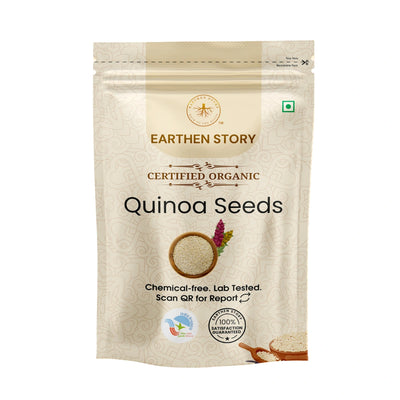
- ¾ cup Earthen Story Organic Quinoa, cooked and cooled Shop ↗
- 2 cups flat-leaf parsley, finely chopped (stems included)
- ½ cup fresh mint leaves, finely chopped
- 2 medium tomatoes, deseeded and finely diced
- 1 cucumber, finely diced
- 3 spring onions, finely sliced
- 4 tbsp fresh lemon juice
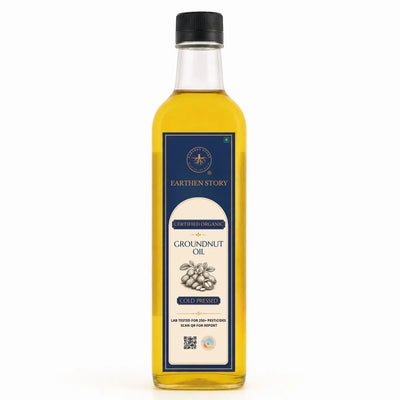
- 3 tbsp good olive oil or cold-pressed groundnut oil
- ½ tsp salt
- ¼ tsp black pepper
Steps
- Cook quinoa: rinse well, then add to a pot with 1½ cups water and a pinch of salt. Bring to a boil, cover, and cook on low for 15 minutes until all water is absorbed. Fluff with a fork and spread on a plate to cool completely. Warm quinoa will wilt the herbs.
- While quinoa cools, prepare all the vegetables and herbs. The chopping in tabbouleh matters - everything should be fine and even so each bite has all the elements.
- In a large bowl, combine parsley, mint, tomatoes, cucumber, and spring onions.
- Add the cooled quinoa and toss to combine.
- Whisk together lemon juice, oil, salt, and pepper. Pour over the salad and toss well to coat everything.
- Taste and adjust - tabbouleh should be assertively lemony and well-salted. Add more lemon if needed.
- Refrigerate for 20 minutes before serving for the flavours to meld. Tabbouleh improves after an hour. Serve cold or at room temperature.
Key Benefits
- Quinoa as a gluten-free tabbouleh base with superior protein Replacing bulgur wheat with quinoa seeds makes this salad suitable for those avoiding gluten while significantly increasing its protein content. Quinoa's complete amino acid profile makes this herb salad a light but complete meal - a combination that addresses multiple common urban nutritional gaps in a single bowl.
- Parsley for vitamin K and chlorophyll density Two cups of flat-leaf parsley provide more vitamin K than almost any other food - critical for bone health and blood clotting. The large volume of fresh herbs in tabbouleh makes it one of the most vitamin K-dense salads in global cuisine. Whole food salads like this deliver micronutrients in a matrix that no packaged product can replicate.
- Lemon and cold-pressed oil dressing for bioavailability enhancement The vitamin C in lemon juice improves the absorption of the non-heme iron in parsley. The fat in cold-pressed groundnut oil improves absorption of the fat-soluble carotenoids in the herbs. The traditional tabbouleh dressing is, nutritionally, exactly right. For a warm herb-rich dish that uses the same cold-pressed oil logic, try the Moringa Hummus.
Explore more recipes like this on our Recipes page, or read our ingredient guides and food knowledge articles in the Discover section.