Key Nutritional Deficiencies in Urban India and the Real Foods That Address Them
Vitamin D, B12, iron, selenium, magnesium, and omega-3 deficiencies are widespread across urban Indian populations regardless of income. Supplements address symptoms. Real whole foods address root causes. Here is what the data shows and which foods matter most.

Urban India has a nutrition paradox. Caloric intake is adequate or excessive in most households, yet deficiency in multiple micronutrients is widespread - even among middle and upper-income families eating what they consider a balanced diet. The problem is not quantity of food. It is the quality and diversity of the food supply, combined with processing methods that strip nutrients before the food reaches the plate.
Six deficiencies are particularly prevalent and particularly consequential: vitamin D, vitamin B12, iron, selenium, magnesium, and omega-3 fatty acids. Each has a distinct cause, distinct consequences, and distinct food-based solutions. Understanding them specifically is more useful than generic advice to "eat a balanced diet."
The Six Deficiencies Most Urban Indians Are Living With
| Deficiency | Why It Is Widespread | Key Consequences | Food-Based Solutions |
|---|---|---|---|
| Vitamin D | Paradoxically common despite India's sunshine - indoor lifestyles, skin covered outdoors, melanin reduces synthesis | Bone density, immune regulation, mood, insulin sensitivity | A2 ghee, egg yolks, fatty fish - food alone rarely sufficient; sunlight exposure essential |
| Vitamin B12 | Plant-based diets contain no B12; even lacto-vegetarians often deficient due to reduced dairy quality and gut absorption issues | Neurological damage, fatigue, anaemia, elevated homocysteine | Dairy, eggs, fermented foods - often requires supplementation in strict vegetarians |
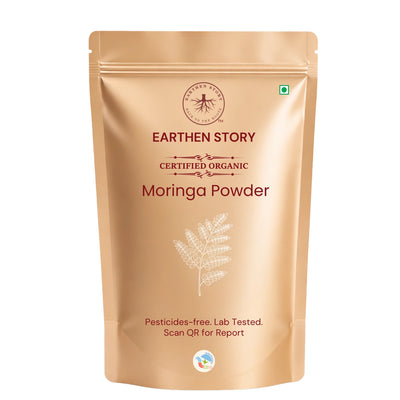
| Iron | Widespread in women and children; plant-based iron poorly absorbed; phytates in grains reduce absorption further | Anaemia, fatigue, impaired cognition, compromised immunity | Ragi flour, black raisins, dates, moringa powder - consume with vitamin C for absorption |
| Selenium | Indian soils are selenium-poor; modern intensive agriculture depletes what remains; rarely tested or supplemented | Impaired thyroid function, reduced antioxidant defence, slower immune response | One Brazil nut daily covers the full recommended intake |
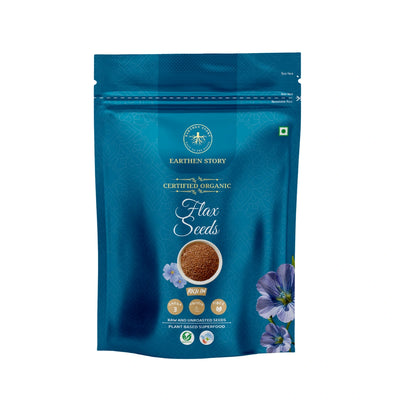
| Magnesium | Refined grains remove magnesium-rich bran; high stress depletes magnesium; inadequate green vegetable intake | Poor sleep, muscle cramps, anxiety, elevated blood pressure, insulin resistance | Pumpkin seeds, flax seeds, dark leafy greens, whole grain flours, dark chocolate |
| Omega-3 (EPA/DHA) | Limited fatty fish consumption in most inland populations; plant omega-3 (ALA) poorly converted to EPA/DHA | Cardiovascular risk, inflammation, impaired brain development in children, mood dysregulation | Fatty fish (best), flax seeds and chia seeds (plant ALA), algae-based supplements for strict vegetarians |
Vitamin D: The Indoor Epidemic
India receives more sunlight than almost any country in the world, yet vitamin D deficiency affects an estimated 70 to 90% of urban Indians. The explanation is behavioural and environmental rather than geographic: office work keeps people indoors during peak sunlight hours, clothing covers most of the skin when outdoors, air pollution in major cities reduces UVB penetration, and darker skin tones require longer sun exposure to synthesise equivalent vitamin D compared to lighter skin.
Food sources of vitamin D are limited - fatty fish is the best, followed by egg yolks and A2 ghee from grass-fed cows which contains meaningful vitamin D2. But food alone is rarely sufficient to correct a genuine deficiency. Twenty to thirty minutes of direct midday sun exposure on arms and legs, three to four times per week, is the most effective intervention for most people.
Iron: The Absorption Problem
Iron deficiency anaemia affects roughly 50% of Indian women and a significant proportion of children - one of the highest rates globally. The issue is not just insufficient iron intake but poor bioavailability of the iron that is consumed. Non-haem iron from plant sources - lentils, spinach, grains, dry fruits - is absorbed at roughly 2 to 10% efficiency, compared to 15 to 35% for haem iron from animal sources.
Two practical strategies dramatically improve plant-based iron absorption. First, consume iron-rich plant foods alongside vitamin C - a squeeze of lemon over dal, amla candy after a meal, tomatoes cooked with iron-rich vegetables. Vitamin C converts non-haem iron to a more absorbable form. Second, avoid tea and coffee within an hour of iron-rich meals - the tannins in both bind iron and significantly reduce absorption.
Ragi flour is the grain with the highest iron content among Indian staples. Moringa powder contains iron at levels comparable to red meat per gram, along with vitamin C that aids its own absorption - a rare combination in a plant food. Our moringa hummus pairs moringa with lemon juice, creating exactly the iron-plus-vitamin-C combination that maximises absorption.
Selenium: The Forgotten Mineral
Selenium rarely features in mainstream nutrition conversations in India despite its critical role in thyroid function, antioxidant defence, and immune response. Indian soils are broadly selenium-poor, which means that even a varied whole-food diet may not deliver adequate selenium if the foods are grown in this region.
The simplest available fix is a single Brazil nut daily - containing 70 to 90 micrograms of selenium in its most bioavailable form, more than the full recommended daily intake for an adult. Our detailed article on why one Brazil nut a day may be the easiest selenium fix covers the mechanisms and the evidence in full.
Magnesium: The Sleep and Stress Mineral
Magnesium is involved in over 300 enzymatic reactions in the human body. Its deficiency is associated with poor sleep quality, anxiety, muscle cramps, elevated blood pressure, and impaired insulin sensitivity - a constellation of symptoms that describes a significant proportion of urban Indian adults living high-stress, sedentary lifestyles.
The primary dietary cause is the shift to refined grains. Magnesium is concentrated in the bran and germ of whole grains - the parts removed by roller milling. Switching to stone-ground whole wheat atta and incorporating pumpkin seeds and flax seeds into daily eating addresses magnesium gaps more effectively than most supplements, because food-based magnesium comes with co-factors that improve absorption.
Ashwagandha and Herbal Powders: Adaptogenic Support
Beyond direct micronutrient deficiencies, urban Indian lifestyles create chronic stress loads that deplete the body's adaptive reserves. Ashwagandha powder - one of the most extensively researched Ayurvedic herbs - has a strong evidence base for reducing cortisol levels, improving sleep quality, and supporting thyroid function. It does not replace micronutrient repletion but works well alongside it as an adaptogenic support system.
For a broader view of how seeds and nuts specifically address these deficiency gaps, see our guide on seeds as superfoods and our article on why mamra almonds, Brazil nuts, and walnuts deserve a daily place.
Looking for ways to put these ingredients to use? Browse our full recipe collection for ideas that make real food genuinely easy to cook.
For more ingredient guides, food system insights, and traditional food knowledge, explore the full Earthen Story Discover library.