Seeds as Superfoods: What Pumpkin, Chia, Flax, Sunflower, and Basil Seeds Actually Do
Five seeds, five distinct nutritional profiles. Pumpkin seeds for zinc and protein, chia and flax for omega-3, sunflower seeds for vitamin E, basil seeds for cooling fibre. Here is what each one does and how to use them daily.

Seeds are one of the most nutritionally concentrated foods available. A plant puts everything it needs to create new life into its seed - the full spectrum of fats, proteins, minerals, and protective compounds that the embryo will need to germinate and grow. For humans, this density translates into a food category that delivers meaningful nutrition in very small quantities.
Five seeds deserve a regular place in the Indian kitchen: pumpkin, chia, flax, sunflower, and basil. Each has a distinct nutritional profile and distinct uses. Understanding what each one does - rather than treating them as interchangeable superfoods - makes it much easier to use them consistently.
Five Seeds, Five Distinct Profiles
| Seed | Primary Nutrients | Key Benefit | Best Used |
|---|---|---|---|
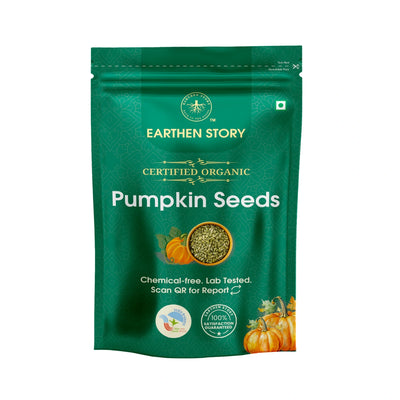
| Pumpkin Seeds | Zinc, magnesium, protein, iron, plant sterols | Highest plant source of zinc; supports immunity and testosterone | Raw as a snack, added to salads, chutneys, chikki |
| Chia Seeds | Omega-3 (ALA), soluble fibre, calcium, protein | Exceptional hydration and satiety; forms a gel that slows glucose absorption | Soaked overnight in water or milk, puddings, smoothies |
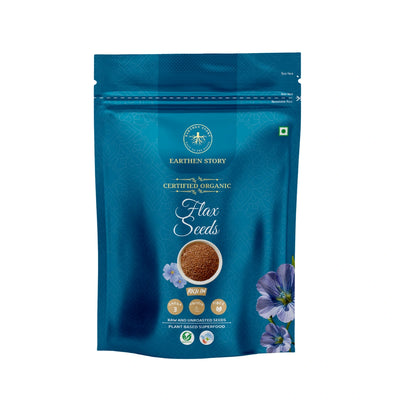
| Flax Seeds | Omega-3 (ALA), lignans, insoluble fibre, magnesium | Richest plant source of lignans - phytoestrogens with hormonal balancing properties | Ground fresh and added to rotis, smoothies, porridge - whole flax passes through undigested |
| Sunflower Seeds | Vitamin E, selenium, B vitamins, linoleic acid | Exceptionally high vitamin E - a fat-soluble antioxidant that protects cell membranes | Raw as a snack, mixed into trail mix, ground into chutney powder |
| Basil Seeds (Sabja) | Soluble fibre, alpha-linolenic acid, iron, calcium | Cooling effect, excellent for digestion and gut motility; natural appetite regulator | Soaked in water for 15 minutes, added to sharbats, falooda, lemon water |
Pumpkin Seeds: The Zinc Source Most Indians Are Missing
Zinc deficiency is widespread across India - estimated to affect over 25% of the population - and its effects are broad: impaired immunity, slow wound healing, hair loss, and reduced testosterone in men. Most Indians rely on animal foods for zinc, which leaves vegetarians particularly vulnerable.
Organic pumpkin seeds contain roughly 7 to 10 mg of zinc per 100g - among the highest of any plant food. A 30g daily handful covers most of the recommended daily intake for adults. They also provide substantial magnesium, a mineral that supports sleep, muscle function, and blood pressure regulation, and which is deficient in a significant proportion of urban Indians eating refined grain diets.
Raw pumpkin seeds are the most nutritionally intact form. Roasting at high temperatures degrades some of the heat-sensitive compounds, so if you are eating them for nutrition rather than flavour, raw is better. Try them in our South Indian pumpkin seed chutney - a practical daily format that makes consistent consumption easy.
Chia Seeds: Hydration, Fibre, and Omega-3
Chia seeds absorb up to twelve times their weight in water, forming a gel of soluble fibre around each seed. This gel slows the rate at which glucose from other foods is absorbed into the bloodstream - making chia seeds particularly useful for anyone managing blood sugar or energy levels across the day.
Their omega-3 content - around 17g per 100g as alpha-linolenic acid - is among the highest of any plant food. ALA must be converted to EPA and DHA in the body, and that conversion rate in humans is limited (roughly 5 to 10%), which means chia seeds complement but do not fully replace marine sources of omega-3 for those who consume them. For plant-based eaters, however, organic chia seeds are one of the most important dietary inclusions available.
Soak overnight and use in our chia breakfast parfait - five minutes of prep the night before delivers a genuinely nutritious, filling breakfast the next morning.
Flax Seeds: Grind Before You Eat
Flax seeds are the richest plant source of lignans - phytoestrogens that have been associated in research with reduced risk of hormone-related cancers and support for hormonal balance in women. They are also an excellent source of omega-3 and insoluble fibre that directly supports gut motility.
The critical point with organic flax seeds: whole flax seeds pass through the digestive tract largely intact, and the nutrients inside are not absorbed. You must grind them - a coffee grinder works well - and use the ground seeds within a day or two before the oils oxidise. Add a tablespoon of freshly ground flax to your roti dough, morning porridge, or smoothie. The flavour is mild and integrates easily into almost any preparation.
Sunflower Seeds: Vitamin E in a Handful
Vitamin E is a fat-soluble antioxidant that protects cell membranes from oxidative damage - it is particularly important for skin health, immune function, and cardiovascular protection. Most Indians do not consume adequate vitamin E from their diet, partly because refined cooking oils have had their natural vitamin E stripped during processing.
Raw organic sunflower seeds contain around 35mg of vitamin E per 100g - more than any other commonly available food. A 30g handful provides roughly 100% of the daily recommended intake. They work well in trail mixes, ground into the Karnataka-style sunflower seed chutney powder, or simply eaten raw as a desk snack.
Basil Seeds (Sabja): The Cooling Digestive
Basil seeds - called sabja or tukmaria - are not the same as the herb basil seeds used in Italian cooking. They are the seeds of sweet basil (Ocimum basilicum) and have been used in Indian and Southeast Asian food and medicine for centuries, particularly in summer drinks and digestive preparations.
When soaked in water for 15 minutes, they swell to roughly 30 times their dry size, forming a thick gel coating around a still-crunchy centre. This soluble fibre feeds beneficial gut bacteria and creates a satiety effect that helps regulate appetite. Their cooling properties - well-documented in Ayurvedic tradition and consistent with their use in summer drinks - make them particularly useful in the Indian summer months.
Try sabja nimbu sharbat - the original Indian electrolyte drink that predates commercial sports drinks by centuries and delivers genuine hydration with fibre.
How to Build Seeds Into Daily Eating
The most effective way to use seeds is not as occasional additions but as reliable daily habits attached to existing meals. A tablespoon of ground flax in morning roti dough. A handful of pumpkin seeds as a mid-morning snack. Soaked chia seeds layered into an evening dessert. Sunflower seeds in the afternoon trail mix. Sabja in the summer lemon water.
Seeds are also one of the food categories where pesticide-free sourcing matters significantly, as their fat content concentrates fat-soluble pesticide residues from the source crop. Our article on why India uses pesticides banned elsewhere covers why certified and lab-tested seeds are worth seeking out specifically.
Looking for ways to put these ingredients to use? Browse our full recipe collection for ideas that make real food genuinely easy to cook.
For more ingredient guides, food system insights, and traditional food knowledge, explore the full Earthen Story Discover library.